Understanding Hyundai Key Technology — Why Replacement Isn't One-Size-Fits-All
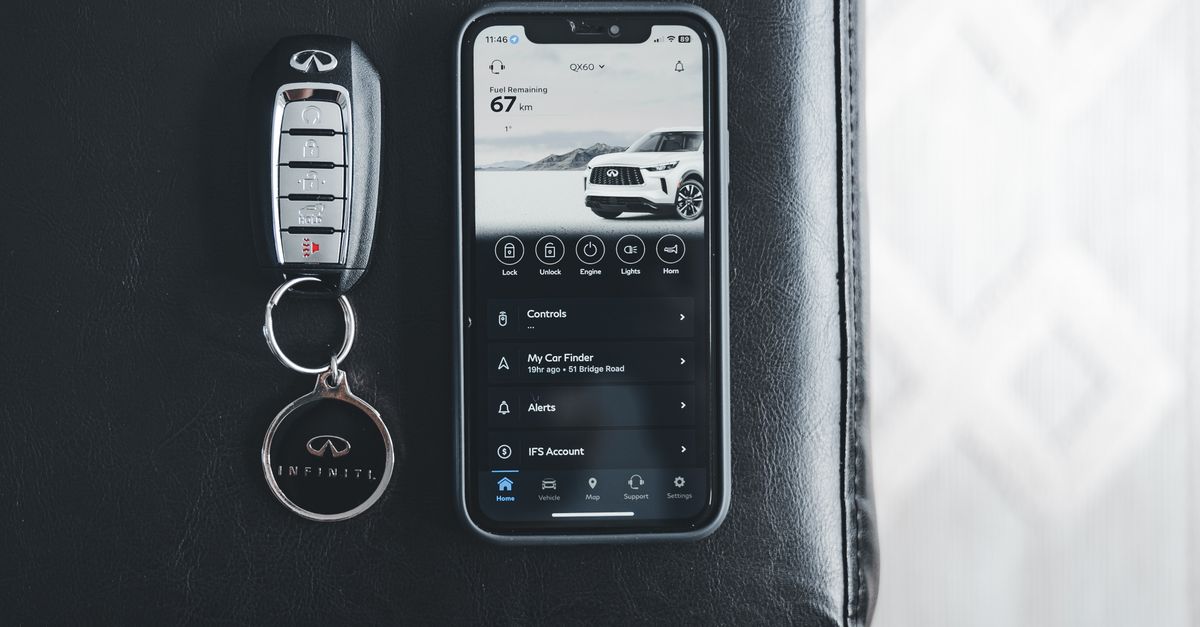
Hyundai has rolled out multiple generations of key technology across its lineup, and the replacement process differs significantly depending on which system your vehicle uses. Older Hyundai models use a basic transponder key — a metal-cut key with a small chip embedded in the head that must be electronically matched to the car's immobilizer system. Mid-generation models added remote head keys, where the fob buttons are built directly into the key. More recent Hyundais, including many Elantra HEV, Tucson, and Santa Fe trims, use a proximity smart key (also called a key fob with push-button start), which communicates passively with the vehicle and never needs to be inserted into a slot. Each type requires different cutting equipment and different programming protocols, which is why a locksmith who genuinely specializes in automotive work makes a real difference.
Because these systems are increasingly complex, dealerships often quote multi-day turnaround times while they wait on ordered blanks. Our mobile locksmith team carries a wide inventory of Hyundai-compatible key blanks and programming hardware, so we can typically complete a replacement during a single visit — whether you're stuck in a parking lot on Sands Avenue or stranded in your own driveway. If you're not sure which key type your Hyundai uses, our technician will identify it immediately when they arrive.